 Your People and Teams
Gastrointestinal (GI) endoscopy is one of the most common procedures in the US. Performed more than 17.1 million times per year in inpatient and outpatient hospital settings as well as ambulatory surgery centers (ASCs), GI procedures account for 68% of all endoscopies, according to a May 2022 article in Digestive…

Rural hospitals in the US have been facing a prolonged, multifaceted crisis. The literature presents several reasons for why healthcare facilities in rural areas struggle, including shrinking budgets, rising chronic illness and public health issues like addiction and obesity, poor telehealth and broadband access, aging populations, deteriorating mental health, and…
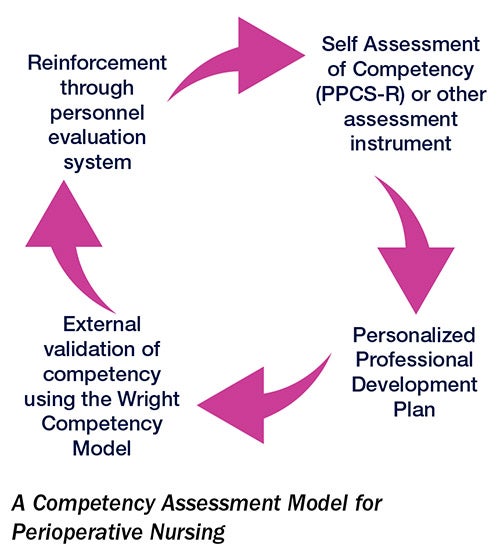
Competency assessment in perioperative nursing—and American healthcare in general—is a story of unrealized potential. Particularly in the wake of the pandemic, staffing shortfalls and financial pressures have made focusing on staff development difficult for nurse leaders. Nonetheless, the argument for investing more in professional development and competency has never been…

Are you part of the ambulatory surgery center (ASC) construction boom? Approximately 116 new facilities opened in 2023, according to Becker’s ASC Review, and more are planned for and underway in 2024. The upward trend shows no signs of slowing. Fortune Business Insights projects the US ambulatory surgery center market…

Takeaways Meeting people where they are is a basic principle of staff development. Coaching and mentoring are fundamental to employee development, but new managers should understand the difference. Resources for staff development include education, certification, clinical ladders, committee work, and professional networking. Transitioning to leadership involves many competing pressures, but…

Takeaways Although women comprise half the population, they were left out of medical research on major causes of death for both women and men—cancer, heart disease, and stroke—until 1990. Using surgical tools designed by men, for men can impact every aspect of a woman surgeon’s work, from learning new procedures…

TAKEAWAYS • Addressing an employee with a competency or behavior issue is important for the well-being of staff and managers. • Determining the reason for the issue is an important first step to resolving it. • Sources of support for managers include colleagues, human resources, and educators. In today’s perioperative…

The past 10 years of data from the OR Manager Salary/Career Survey reflects many challenges in the healthcare environment, particularly those associated with the COVID-19 pandemic. ASC leader respondents report that staffing difficulties have become particularly challenging. For example, only 15% of respondents to the 2014 survey reported increased RN…

TAKEAWAYS • HR should be involved early in the disciplinary process to help guide OR leaders’ decision-making throughout disciplinary and/or remediatoin processes. • Timing, privacy, opportunities for employee feedback, and an empathetic approach are among the most important considerations for a final termination meeting. • Whatever the process for communicating…
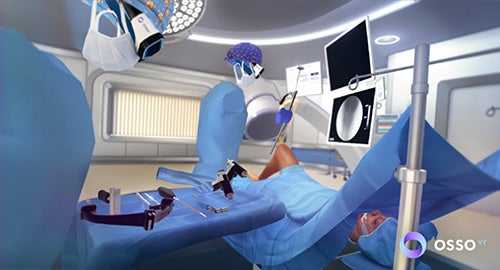
Takeaways From mobile phone apps to immersive virtual reality surgery experiences, digital tools make healthcare training more interactive, more engaging, and more fun for everyone from nurses to surgeons. Modern procedures—including minimally invasive techniques and robotic surgery—require 50 to 100 cases for a surgeon to reach a safe proficiency level…