 The Business of Surgery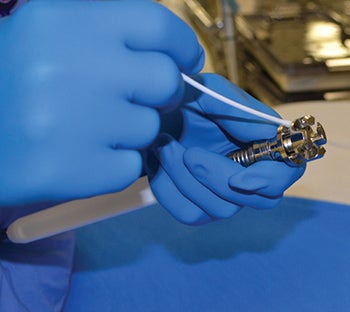
Inspecting surgical devices is a time-consuming process. However, diligently checking every instrument prior to sterilization is essential to ensuring safe, proper functioning. As the last people to see devices before they are used for patient care, sterile processing technicians must be thorough. Exterior surfaces should be inspected for flaws such…
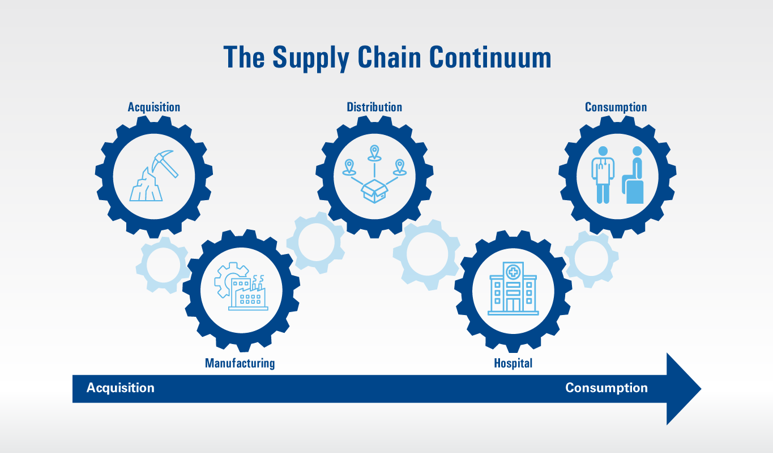
More than 4 years after personal protective equipment production and inventories crashed amid the global COVID-19 pandemic, the “new normal” in healthcare supply chains seems to be “uncertainty.” Although hospital margins are improving and patient volumes are trending upward, “stress fractures continue to remain in place,” says Michael Schiller, CMRP,…

Healthcare continues to evolve at a fast pace with advancements in technology and treatment, which is a big reason why finding the right medical care is a daunting task. Nowadays, patients seeking healthcare services are facing several choices, each promising the best care possible. How accurate is that promise? Determining…
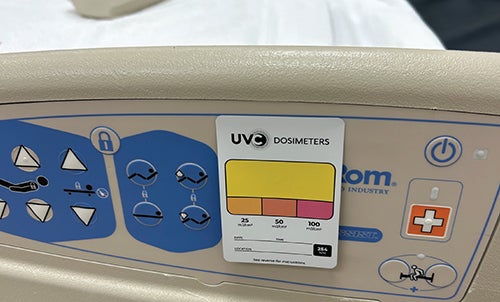
Approximately one in 31 hospital patients has at least one infection on any given day, according to the Centers for Disease Control and Prevention (CDC). In surgical settings, the risk is even higher, with up to 7% of patients developing an infection during surgery. These infections can lead to a…
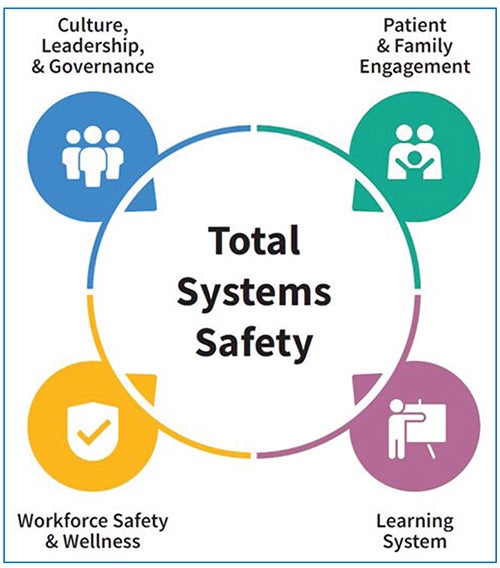
From integrating new technology to navigating shifts in care delivery and mitigating burnout, the most pressing challenges for healthcare organizations tend to be multifaceted problems that demand multifaceted solutions. For evidence of that, look no further than the Top 10 Patient Safety Concerns 2024 list from ECRI. For every risk…

The past 10 years of data from the OR Manager Salary/Career Survey reflects many challenges in the healthcare environment, particularly those associated with the COVID-19 pandemic. ASC leader respondents report that staffing difficulties have become particularly challenging. For example, only 15% of respondents to the 2014 survey reported increased RN…

Next-Gen Disruptors: Technologies Transforming the OR Installment #1, presented by LeanTaaS Surgical procedures are necessary steps in patient journeys—no one wants to have surgery, but most people will need it at some point for care continuity and better quality of life. To best support positive outcomes, optimal recovery periods, and…

The promise of quicker recovery and fewer complications from sedation, anesthesia, and pain management have drawn clinicians and patients alike to procedures performed in ambulatory surgery centers (ASCs) and other outpatient settings. However, sedation, anesthesia, and analgesia add their own risks to those of the procedure itself. Understanding the latest…

Critical assessment and rapid response are essentials skills for perioperative staff members, and that goes double for perioperative leadership. Patient-centered leadership is a must. Like the OR, the postanesthesia care unit (PACU, formerly referred to as the “recovery room”) is a critical care area plagued by an influx of new…

This past February, the OR Business Management Conference, held in Phoenix, Arizona, brought together business managers of all walks of life. The intimate event was once again a symbiotic blend between financial- and business-centric education and high-quality networking. The education offered for seasoned and new business leaders alike, perhaps more…