 Physicians
 Editor's Note Risk assessments of postoperative complications and death in surgically complex patients were not significantly different between internal medicine and general surgery residents in this study. However, both groups overestimated the risks compared with the American College of Surgeons’ National Surgical Quality Improvement Project (ACS NSQIP) risk adjusted model.…
Editor's Note A lack of awareness of the financial burden of physician burnout and uncertainty about what can be done to reduce or prevent it have been barriers to organizations taking action to address the problem, finds this study. Reviewing available evidence and analyzing the financial costs of physician burnout…

Editor's Note Primary care physicians spend more than half of their workday typing data on a computer screen and completing other electronic health record (EHR) tasks, this study from the University of Wisconsin and the American Medical Association finds. During a typical 11.4-hour workday, physicians spent nearly 6 hours on…
Perioperative staff complete a thorough orientation to ease their transition into a new job, but what about surgeons? How are they onboarded into a new OR? This isn’t an academic question—effective onboarding is key to the success, including financial success, of the OR. “To have someone walk through the door…
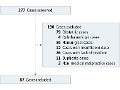
Editor's Note This database review of malpractice lawsuits against surgical residents highlights the importance of perioperative management, particularly among junior residents, and the importance of appropriate supervision by attending physicians as targets for education on litigation prevention. During a 10-year period, 87 malpractice cases involving surgical residents were identified. Results…

Editor's Note In this study, a half-day faculty development course designed to equip surgical educators with frameworks shown to promote learning in the OR helped faculty members deliver improved instruction as perceived by surgical residents. A total of 19 faculty members completed the course. Associate professors demonstrated improved briefing, debriefing,…
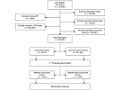
Editor's Note In this study using data from the American College of Surgeons National Surgical Quality Improvement Program (ACS NSQIP), concurrent surgical procedures were not found to increase the risk for adverse outcomes. The analysis included 1,430 surgeons from 390 hospitals who performed 12,010 concurrent surgical procedures from 2014 to…

Editor's Note A new Medical Group Management Association survey of 750 physician group practices finds that nearly half spend more than $40,000 per physician each year to comply with federal regulations, the August 10 FierceHealthcare reports. Respondents say the most burdensome regulation is Medicare’s new Merit-Based Incentive Payment System (MIPS)…
Editor's Note A new study finds a big drop in smoking rates when surgeons get involved in helping patients quit before surgery through the "Strong for Surgery" program. The study was presented July 23 at the 2017 American College of Surgeons (ACS) Quality and Safety Conference. Strong for Surgery is…

Editor's Note In the annual Physician Practice Preference & Relocation Survey from The Medicus Firm, nearly 3 in 10 physicians say concerns about appropriate compensation is the primary reason they would consider a career change, the July 5 FierceHealthcare reports. More than 17% of respondents say they will “likely” or…