 Surgery/Specialties
Editor's Note Deep surgical site infection (SSI) rates in orthopedic surgical procedures may be a better tool for interhospital comparisons than overall SSI rates, this study finds. Researchers in Finland analyzed infection surveillance data for 73,227 total hip arthroplasties and 56,860 total knee arthroplasties performed in 18 hospitals from 1999…
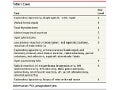
Editor's Note This study finds that video-based coaching is feasible for supplementing intraoperative teaching of residents to perform surgery. Teaching in a video-based coaching session was compared with teaching points made during a corresponding OR case. Teaching in video-based coaching sessions was more resident centered. Surgeons were more inquisitive about…
Editor's Note A study of 14 South Carolina hospitals found the use of a 19-item surgical checklist developed by the World Health Organization resulted in a 22% decrease in postoperative mortality over 3 years, compared with hospitals not participating in the checklist program. In the 14 participating hospitals, mortality was…

Editor's Note The combination of femoral and sciatic nerve blocks is the overall best approach to pain management after total knee arthroplasty, finds this meta-analysis. The best five modalities for pain at rest were: femoral/obturator, femoral/sciatic/obturator, lumbar plexus/sciatic, femoral/sciatic, and fascia iliaca compartment blocks. For reducing opioid consumption, the best…

Editor's Note New persistent postoperative opioid use is common and does not differ between minor and major procedures, but, instead, it is associated with behavioral and pain disorders, this study finds. Of 36,177 elective surgery patients assessed, about 6% filled opioid drug prescriptions between 90 and 180 days after the…
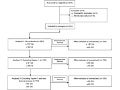
Editor's Note Conscious sedation is a safe and viable option for anesthesia in patients having transcatheter aortic valve replacement (TAVR), finds this study. The use of conscious sedation rather than general anesthesia was associated with: similar rates of adverse events (1.5% in both groups) shortened ICU (30 vs 96 hours)…

Editor's Note This study finds that the American College of Surgeons (ACS) National Surgical Quality Improvement Program (NSQIP) Surgical Risk Calculator serves its intended purpose of providing a general purpose risk calculator, which is applicable across many surgical domains, using easily understood and generally available predictive information. The Surgical Risk…
Editor's Note Over time, electronic health records (EHRs) show a decline in face-to-face patient assessments by physicians and an increase in computer tasks, this study finds. Physicians now spend 50% of their time with patients and 50% of their time on computers. The analysis included 471 physicians who worked on…

Editor's Note Total hip replacement patients experience meaningful and lasting improvement in quality of life (QOL) through at least 5-years after the procedure, this study finds. The analysis included 188 total hip replacement patients at seven hospitals who were evaluated with a standard quality-of-life assessment, called the “Short Form 36,”…
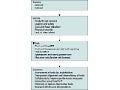
Editor's Note A position paper from the American College of Physicians (ACP) makes recommendations on administrative tasks to mitigate or eliminate their adverse effects on physicians, their patients, and the whole healthcare system. Among the recommendations: Stakeholders external to physician practices (ie, payers, government and other oversight organizations, vendors, and…