 Anesthesia
Editor's Note The combination of femoral and sciatic nerve blocks is the overall best approach to pain management after total knee arthroplasty, finds this meta-analysis. The best five modalities for pain at rest were: femoral/obturator, femoral/sciatic/obturator, lumbar plexus/sciatic, femoral/sciatic, and fascia iliaca compartment blocks. For reducing opioid consumption, the best…
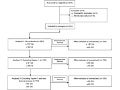
Editor's Note Conscious sedation is a safe and viable option for anesthesia in patients having transcatheter aortic valve replacement (TAVR), finds this study. The use of conscious sedation rather than general anesthesia was associated with: similar rates of adverse events (1.5% in both groups) shortened ICU (30 vs 96 hours)…
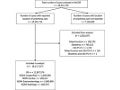
Editor's Note Non-OR anesthesia (NORA) is a growing component of anesthesiology practice in the US, this study finds. The proportion of NORA cases overall increased from 28.3% in 2010 to 35.9% in 2014, and the proportion of NORA outpatient cases increased from 69.7% to 73.3%. Colonoscopy was the most common…
Editor's Note Opting out of the Medicare rule that requires anesthesia to be administered with physician supervision has little or no effect on access to inpatient or outpatient surgery, this study finds. The researchers also found that opting out does not reduce costs, and in fact increases costs for inpatient…
Editor's Note Nerve blocks in total knee patients were associated with statistically significant reductions in length of stay and readmissions, but no difference in emergency department visits or in-hospital falls, this Canadian study finds. In the analysis of 178,214 patients, adjusted: mean hospital stay was 4.7 days for patients with…
When leaders at Memorial Healthcare, a 154-bed community hospital in Owosso, Michigan, wanted to get a jump on preparing for bundled payments, they chose to focus on total hip and knee surgery. Creating a perioperative surgical home (PSH) for this patient population paid off in enhanced patient satisfaction and reductions…
Editor's Note The American Society of Anesthesiologists (ASA) has published new “Practice guidelines for preoperative fasting and the use of pharmacologic agents to reduce the risk of pulmonary aspiration: Application to health patients undergoing elective procedures.” The document updates its guidelines published in 2011. The guidelines are intended for use…
Editor's Note Introduction of the Perioperative Surgical Home (PSH) model for patients having ambulatory laparoscopic cholecystectomy at a Kaiser Permanente facility was associated with decreased length of stay and unplanned hospital admissions in this study. A total of 878 patients were included in the preimplementation period, and 1,082 in the…
Editor's Note No significant association was found between anesthesia service use and colonoscopy screening or colorectal cancer screening rates, suggesting that more evidence is needed to support the Centers for Medicare & Medicaid Services rule change that defined “screening colonoscopy” to include separately furnished anesthesia services, this study finds. The…
Editor's Note The Food and Drug Administration (FDA) on December 27 issued a warning to healthcare facilities of potential safety risks associated with battery-powered mobile medical carts. The FDA has received reports of explosions, fires, smoking, and overheating of the lithium and lead acid batteries in these carts that required…