 Anesthesia
 Throughput inefficiencies are a growing problem in surgical services departments. Patients are held in the OR because there is no room in the postanesthesia care unit (PACU), and patients are held in the PACU because there are no beds available in the patient care unit or because outpatients having major…

Editor's Note After implementation of an anesthesia information management system (AIMS)-based mandatory quality assurance process for reporting of intraoperative adverse events at two academic medical centers, documented adverse events decreased significantly, this study finds. Over a 2-year period after implementation of mandatory reporting, the adverse event rate at Thomas Jefferson…
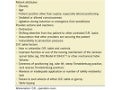
Editor's Note In this analysis of patient falls from OR and procedure tables during anesthesia care, researchers queried two independent closed claims databases. They identified 21 claims (1.2% of cases) in the American Society of Anesthesiologists (ASA) Closed Claims Project and 0.07% of cases in the secure records of a…
Organizations that have adopted the perioperative surgical home (PSH) model of patient care have reaped the benefits of improved outcomes and a healthier bottom line. In particular, the PSH has a proven track record for colorectal surgery and orthopedic surgery. In part 1 of this two-part series (OR Manager, August…

Editor's Note Children with multiple exposures to anesthesia before age 3 are more likely to develop adverse outcomes related to learning and attention, this study finds. Of 116 multiply exposed, 457 singly exposed, and 463 unexposed children included in the analysis, multiple, but not single, anesthesia exposures were associated with…

Editor's Note This population-based analysis finds that implementation of obstructive sleep apnea (OSA) interventions in total joint patients is limited, with some current trends virtually in contrast to practice guidelines. Of more than 1 million patients analyzed, anesthetic techniques did not differ by OSA status, and overall, less than 25%…
Uncertainties pepper the healthcare landscape, but the shift to value-based care is expected to continue, even though momentum may slow under the current administration. That means perioperative services leaders must continue to explore new care delivery options such as the perioperative surgical home (sidebar, p 17). “The demand for value…

Editor's Note Discharge from the postanesthesia care unit (PACU) without assessment of lower limb motor function after spinal anesthesia for total hip or knee arthroplasty did not increase length of hospital stay or readmissions but significantly reduced time in the PACU (0.40 vs 1.56 hours), this study finds. This multicenter…
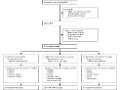
Editor's Note Ketamine does not decrease delirium or lower levels of pain in older adults after major surgery and might cause harm by inducing hallucinations and nightmares, this study finds. A total of 672 patients were randomly assigned to a placebo group (222 patients), a 0.5 mg/kg ketamine group (227),…
Editor's Note The Food and Drug Administration (FDA) on April 27 issued a Safety Alert saying the agency had approved label changes on the use of general anesthetic and sedation drugs in children younger than 3 years. The changes include: A new warning that exposure to these drugs for lengthy…